
Check that she’s licensed, look at real wedding photos rather than staged ones, read her reviews for patterns rather than star counts, ask about fees up front, and pay attention to how the first conversation feels.
You can tell a lot about a bridal hair stylist before you ever sit in her chair. Check that she’s licensed, look at real wedding photos rather than staged ones, read her reviews for patterns rather than star counts, and pay attention to how the first conversation feels. I’ve been a licensed cosmetologist for more than 12 years, I specialize in brides, and I’ve been on the other side of this question too, as a bride hiring my own vendors. Here’s what I’d tell a friend to check.
Check the license
A cosmetology license means she’s completed required training hours and passed a state exam. It matters because your wedding morning isn’t the time to find out someone learned everything from watching videos.
Almost no bride has ever asked to see mine. If you’re one of the few who does, ask, and any stylist worth booking will show you without hesitation. You can also look it up yourself in about thirty seconds through the Colorado license lookup. Search her name, confirm the license is active, and move on. I’m in there too, if you want to see what an active listing looks like (my maiden name is Teal).
Look for real wedding photos, not just pretty hair
A general salon portfolio can be full of gorgeous blowouts and still tell you nothing about how that stylist handles a wedding morning. Bridal work is its own skill: styles that hold through a ceremony, a reception, and a send-off, veil placement that doesn’t fight the style underneath, and a timeline built around when the photographer needs you ready, not just when the chair opens up.
I’ll be honest that my own portfolio needs work. I get caught up in the moment on wedding mornings and don’t always remember to shoot the photo or video I meant to. Through the rest of 2026 and into 2027 I’m building it out further so you can see more than a single finished photo: how I work, what I use, and the reasoning behind it. If a stylist’s portfolio is thin, ask her directly to send you a few more examples. A stylist worth booking will have them.
Read the reviews for patterns, not stars
My reviews live on my Google Business Profile and on Zola, and I ask my brides if they’d be willing to leave one on both.
When you’re reading someone else’s reviews, look past the star rating. One bad review happens to good stylists too. What matters more is the pattern: does the same complaint show up more than once, and how does the stylist respond to criticism. A defensive or vague response tells you more than the original complaint does.
I’ve heard from my own brides about stylists who no-showed, went quiet when asked a question, or delivered a trial that missed the mark entirely for someone with professional-level expectations. That kind of thing shows up in reviews before it shows up on your wedding day, if you know to look for it.
Pay attention to the first conversation
When a bride reaches out to me, through the form on my website or a DM on Instagram, the first step is always a virtual consultation. I like to do it over FaceTime or a call so we actually see each other. I’ll ask her to walk me through her wedding day and her vision, her bridal party, her hair, and any concerns she has. From there we work out timing and location based on her party size and hair types, and I’ll propose when I should arrive based on when she needs to be ready.

If she’s not ready to decide, I tell her to take her time and reach out when she is. Most brides book right away. In all my years, I’ve only turned away two, simply because I didn’t think we’d be a good fit working together, and I told them so directly.
That conversation is the whole test. A stylist who listens to your vision and asks real questions about your hair is different from one who’s already decided what you’re getting before you’ve finished talking.
What a messy kit tells you
You can learn a lot about a stylist by looking at her tools before she ever touches your hair. This isn’t a hard rule for every situation, but a kit that’s disorganized, or brushes and irons that look dirty or worn out, is a real warning sign. It raises questions about hygiene, and it usually means the products inside aren’t doing much either. Professional products cost more than what you’d grab at the drugstore for a reason: they hold up under photography, through a long day, and through whatever Colorado throws at your hair. A stylist who’s invested in her kit has usually invested in her training too.
The question almost nobody asks
Ask about additional fees before you book. Travel charges are the one that catches brides off guard most, because they don’t always get mentioned until later. Get the full number in writing before you commit, not after.
Finding the right fit
Beyond the license and the portfolio, book someone you actually enjoy talking to. I do my best work with brides who are down-to-earth and easy to talk to. That describes most of the brides I meet, especially here in Colorado, and it’s part of why I love this work.
If you’re evaluating a stylist for your wedding, trust the read you get from that first conversation as much as anything else on this list.
FAQ
Use the Colorado license lookup and search her name. An active cosmetology license confirms she’s met the state’s training and exam requirements.
Real wedding photos rather than staged shots, evidence the style held up through a full day, and veil placement, not just a general salon portfolio of blowouts and color work.
A disorganized or dirty kit, vague or defensive responses to negative reviews, and a consultation where she talks more about her own preferences than yours.
Yes. A trial shows you how she works and whether the style actually holds, which a portfolio photo alone can’t tell you.
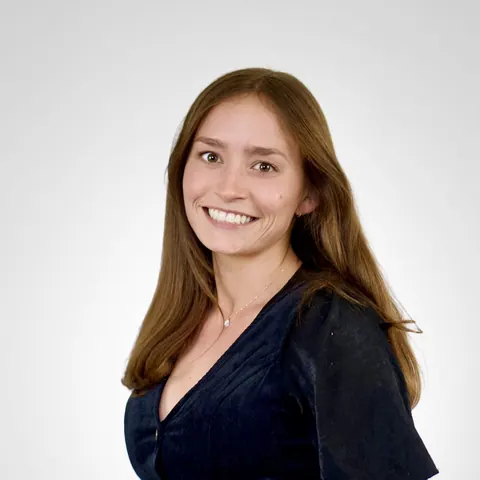
Maria, owner and stylist
Maria is a licensed Colorado cosmetologist with 12+ years behind the chair and the owner of Colorado Bridal Hair Co., named Best of Zola 2026. She styles brides and wedding parties on location across the Front Range.


